
Golden Circle – Nepal
Dates from September 2026 to April 2027
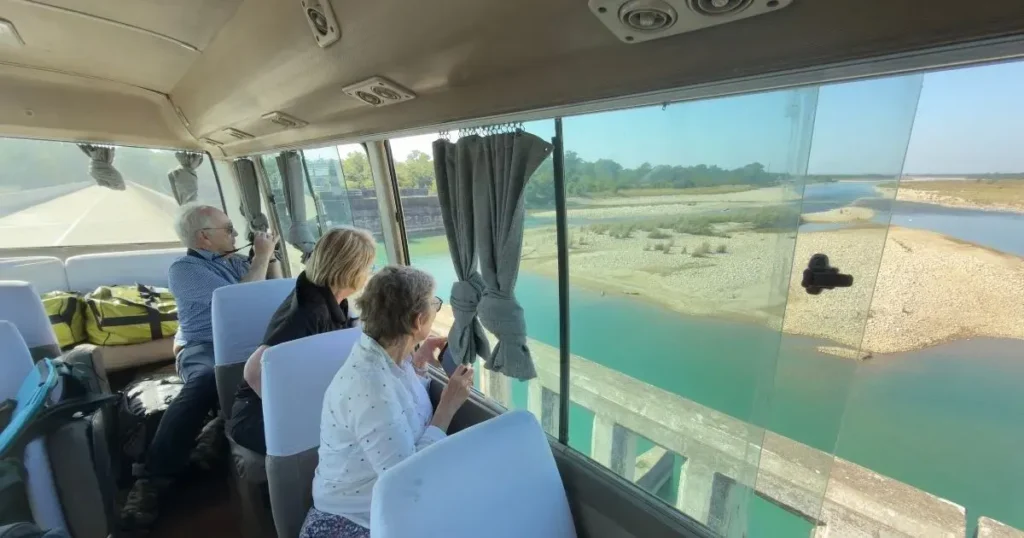
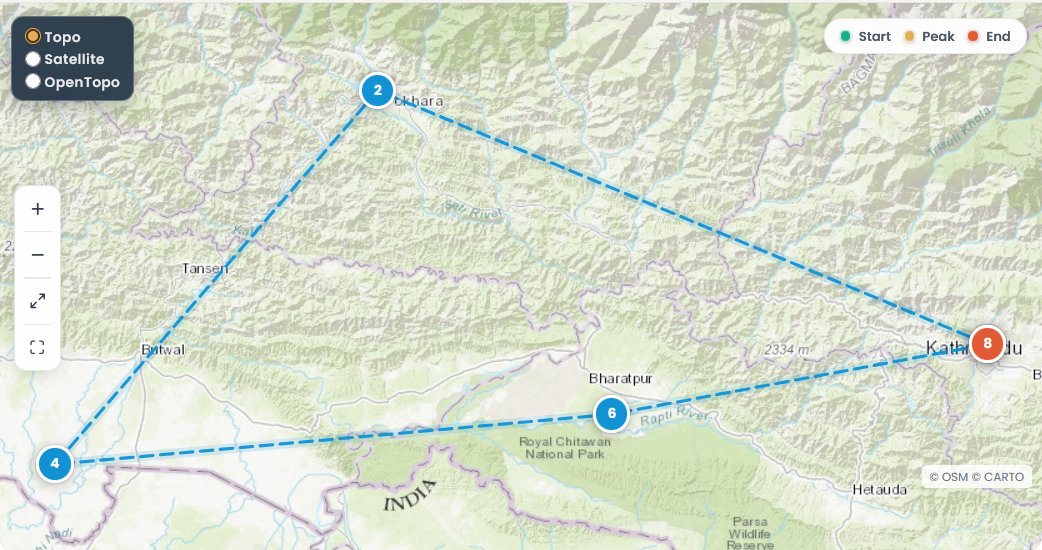
Golden Circle Trip is a 10-day cultural tour that connects Nepal’s four most-visited destinations in a single, low-altitude loop: the ancient city of Kathmandu, the lakeside city of Pokhara, the sacred birthplace of Lord Buddha at Lumbini, and the jungle of Chitwan National Park. The route forms the classic ‘golden circle’ that gives the tour its name, and it is designed for travellers who want a broad introduction to Nepal’s heritage, religion, landscapes and wildlife without any trekking.
The highest point on the tour is Kathmandu at about 1,400 m, and Lumbini and Chitwan are both below 500 m. No fitness test, trekking permit or physical preparation is needed.
What Makes Your Journey Unique?
• UNESCO World Heritage Sites of the Kathmandu Valley, including Boudhanath and Pashupatinath
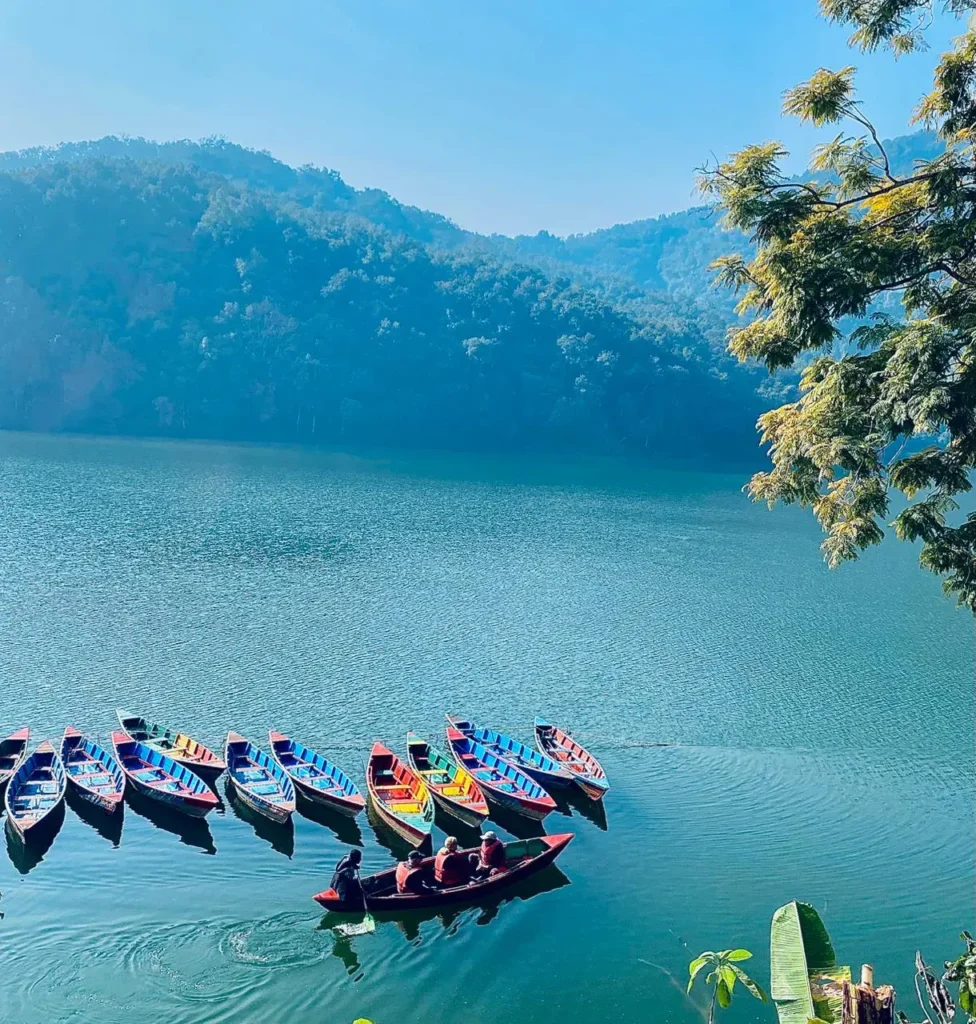
• Boat ride on Phewa Lake and visit to the World Peace Stupa in Pokhara
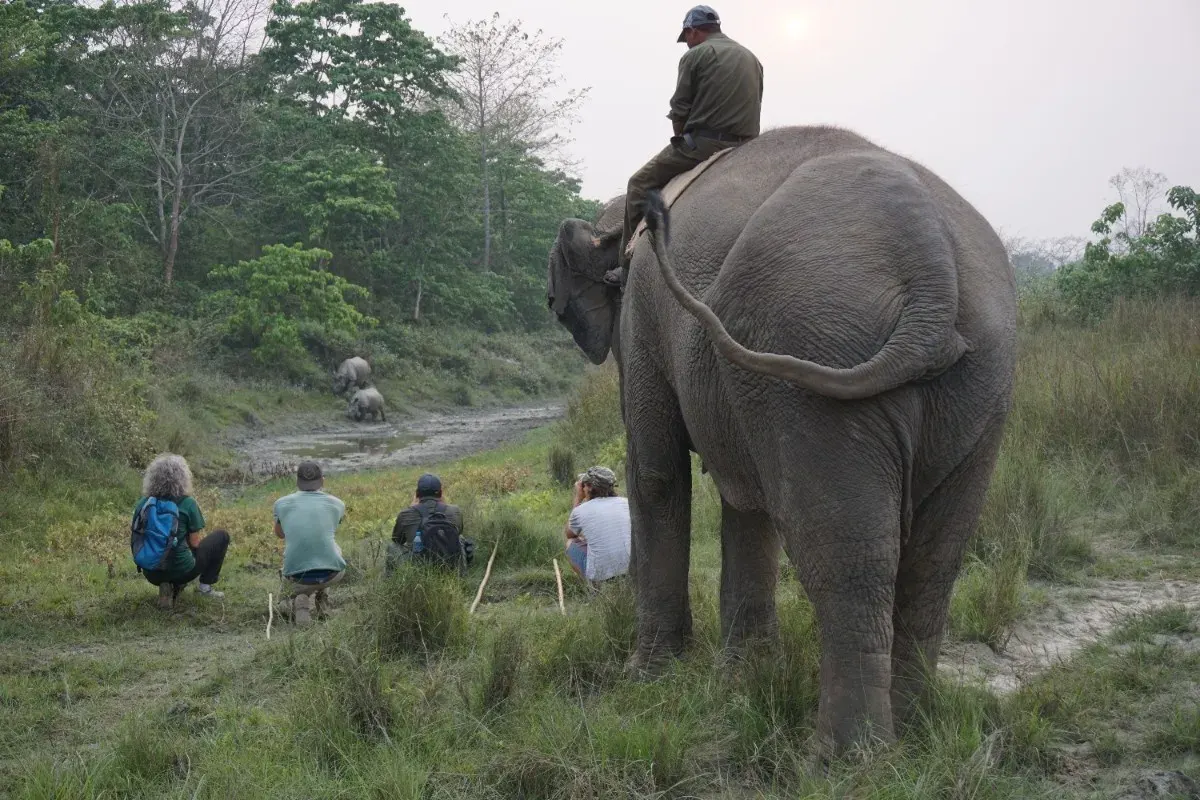
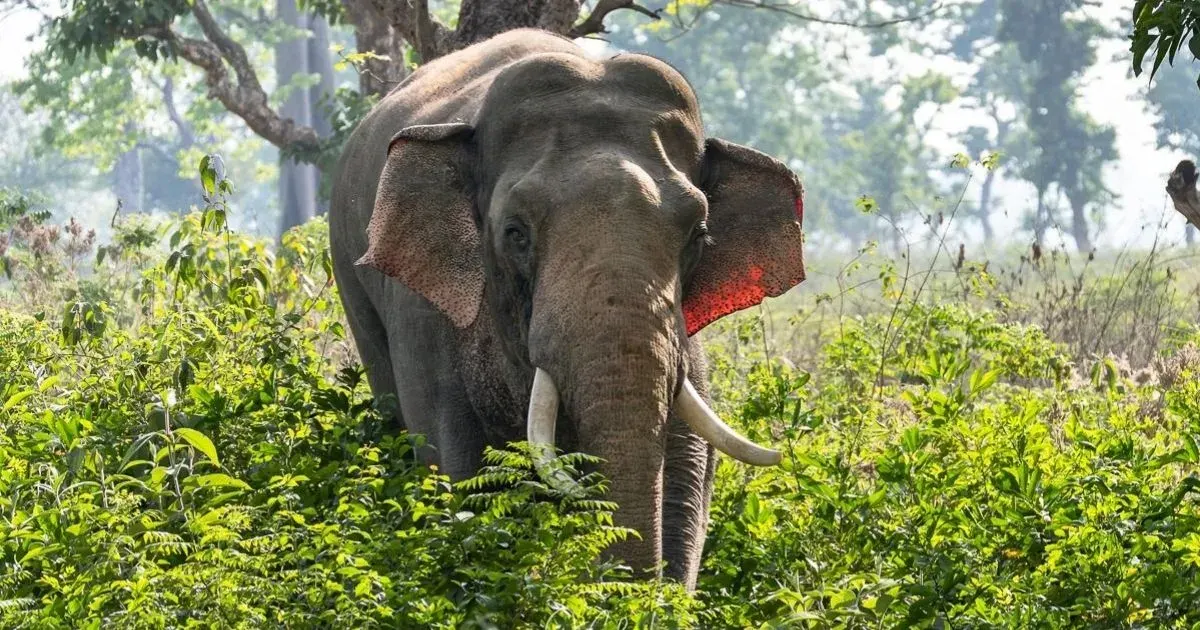
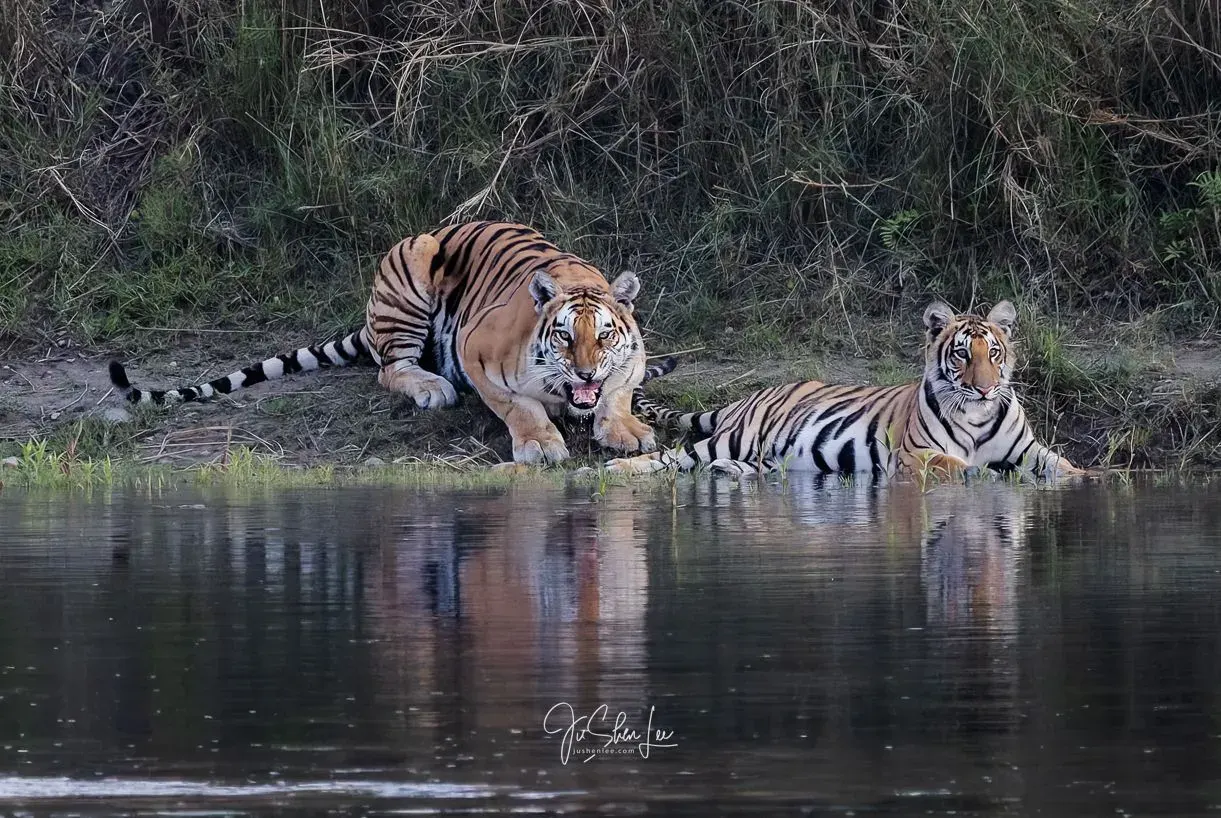
• Chitwan National Park jeep safari for one-horned rhino and Bengal tiger
• A complete Nepal cultural loop across four UNESCO-listed or iconic destinations
• International monastery zone at Lumbini, with over 30 national monasteries
• Lumbini, the birthplace of Siddhartha Gautama, with the Mayadevi temple and Ashokan pilla
Your 10-day Itinerary
Dropdown to see more
Day 1 – Arrive in Kathmandu (1400m)
Tribhuvan International Airport sits at about 1,400 m in the Kathmandu Valley, and our representative will be waiting in the arrivals hall with your name on a sign. The drive to your hotel takes 20 to 40 minutes depending on traffic, and the route passes through the dense, colourful streets of Kathmandu’s Thamel district. After you settle in, your guide runs a short welcome briefing covering the ten-day itinerary, what to expect at each destination, and practical notes on currency, water, and dress codes. Overnight in Kathmandu.
Day 2 – Kathmandu sightseeing (1400m)
Kathmandu’s UNESCO World Heritage Sites are the focus today. The day opens at Pashupatinath temple on the banks of the Bagmati River, one of the most important Shaivite shrines in Asia, where non-Hindus observe the ghats and cremation platforms from the opposite bank. From there the route moves to Boudhanath, a 36-metre white stupa ringed by Tibetan monasteries and prayer-wheel arcades; it is the largest stupa in Nepal and a living centre of Tibetan Buddhist practice. The afternoon visits Swayambhunath (the Monkey Temple), a hilltop stupa with a city-wide panoramic view, and closes at Patan Durbar Square, where the 17th-century royal palace courts and Newari stone temples are among the finest examples of traditional Newar craftsmanship in the valley. Overnight in Kathmandu.
Day 3 – Drive to Pokhara
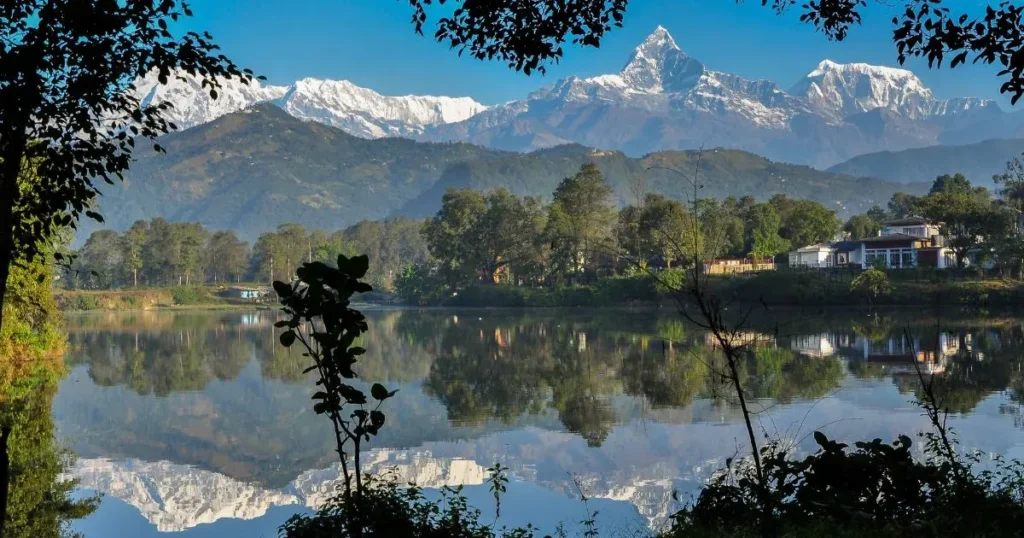
Pokhara sits 200 km west of Kathmandu at 822 m, and the drive takes about six to seven hours along the Prithvi Highway, which follows the Trishuli River through gorges and rice-terrace valleys before opening into the broader Pokhara Valley. The Trishuli section is one of the most scenic road stretches in Nepal, with the river running green and fast below. On arrival in the early afternoon, you take a short boat ride on Phewa Lake to the Tal Barahi island temple, a two-storey pagoda dedicated to the goddess Barahi. The lake reflects the Annapurna range on clear afternoons, and the lakeside promenade has cafes and shops for the evening. Overnight in Pokhara.
Day 4 – Pokhara sightseeing (822m)
Pokhara’s main sights spread across the city and its surrounding hills. The day starts with a drive or hike up to the World Peace Stupa, a Japanese-built white pagoda on a ridge about 200 m above the lake, with a close view of Machhapuchhre (the Fishtail peak, 6,993 m) and the Annapurna massif when skies are clear. The return visits Barahi Ghat and the northern shore of Phewa Lake before heading to Begnas Lake, a quieter freshwater lake east of the city used by local fishermen and largely free of tourist traffic. The afternoon is free for optional activities such as paragliding over Phewa Lake, a zip-line, or a visit to the International Mountain Museum, which covers the history of Himalayan exploration. Overnight in Pokhara.
Day 5 – Drive to Lumbini
Lumbini is roughly 160 km south-east of Pokhara and lies in the Terai plains at about 85 m above sea level, so the drive of five to six hours descends gradually from the hills through rice fields and sal-forest lowlands. The change in landscape and temperature is noticeable: Lumbini is flat, warm and quiet compared to the mountain cities. Lumbini is the birthplace of Siddhartha Gautama (the historical Buddha), and the site has been a place of pilgrimage since Emperor Ashoka visited and erected a pillar there around 249 BCE. On arrival in the afternoon you have free time to walk through part of the monastery zone or rest at the hotel before a full sightseeing day tomorrow. Overnight in Lumbini.
Day 6 – Lumbini sightseeing
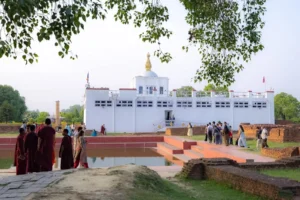
Lumbini’s UNESCO Sacred Garden covers the area around Mayadevi temple, which marks the exact birth spot of Siddhartha Gautama with a marker stone inside the temple over the exposed foundations.
The Ashokan pillar next to the temple carries a Brahmi inscription confirming Ashoka’s visit in 249 BCE and is one of the few surviving inscriptions mentioning the Buddha’s birthplace by name.
The Sacred Garden also contains the Puskarini pool, where Mayadevi is said to have bathed before giving birth, and the excavated foundations of earlier temples dating back to the third century BCE.
Beyond the garden, the international monastery zone runs north along a central canal for about three kilometres, with over 30 national monasteries built by Buddhist communities from Thailand, China, Japan, Myanmar, Sri Lanka, Vietnam, Germany and others. Each monastery reflects its country’s distinct Buddhist architectural tradition. The afternoon is free for further exploration or visits to the Lumbini Museum and Research Centre. Overnight in Lumbini.
Day 7 – Drive to Chitwan, afternoon activities (415m)
Chitwan National Park lies about 110 km east of Lumbini through the Terai lowlands, and the drive takes roughly two to three hours. Chitwan was Nepal’s first national park, established in 1973, and it was listed as a UNESCO World Heritage Site in 1984 for its populations of greater one-horned rhinoceros and Bengal tiger.
On arrival at Sauraha, the main tourist village on the north bank of the Rapti River, you check into the jungle lodge and take a late-afternoon canoe ride on the Rapti. The dugout canoes move quietly along the bank, where marsh mugger and gharial crocodiles are regularly seen basking, and the river supports a large population of wading birds including the black stork and painted stork.
A Tharu cultural dance programme in the evening introduces the indigenous Tharu community who have lived alongside the forest for centuries. Overnight in Chitwan
Day 8 – Chitwan, full-day safari (415m)
A full day in Chitwan National Park by jeep, on foot with a naturalist guide, and by canoe covers the best of the park’s wildlife corridors. Chitwan’s core zone holds one of Asia’s densest populations of greater one-horned rhinoceros (over 700 individuals in the park as of recent counts) and a significant Bengal tiger population.
Morning jeep drives into the sal and grassland habitat offer the best chance of rhino sightings; deer, wild boar, langur monkeys and elephant are seen regularly. The park’s bird list exceeds 600 species, including the endangered Bengal florican and the giant hornbill.
A jungle walk with the naturalist explains track identification, medicinal plants and forest ecology at close range. A second canoe or jeep session in the afternoon targets different habitat zones.
The park entry fee for foreign nationals is included or itemised . Overnight in Chitwan.
Day 9 – Return drive to Kathmandu (1400m)
The return from Chitwan to Kathmandu takes about four to five hours on the Mahendra Highway and the Prithvi Highway, gaining altitude gradually as the Terai plains give way to the mid-hills.
Arriving in Kathmandu in the early afternoon gives time to visit any remaining sights, browse the craft shops in Thamel or Patan, or rest before departure.
The evening is free for a final dinner. If you booked any last-minute extensions or add-ons (Nagarkot sunrise, Bhaktapur full day, white-water rafting). Overnight in Kathmandu.
Day 10 – Departure from Kathmandu (1400m)
Depending on your flight time, our representative will transfer you to Tribhuvan International Airport.
Check-in is typically required three hours before international departure.
If your flight is late in the day, the morning is free for a final Kathmandu walk or a visit to Bhaktapur Durbar Square, a 45-minute drive east of the city and the best-preserved of the three Kathmandu Valley royal squares.
Your guide can arrange this as a half-day option. We hope the Golden Circle Tour gave you a clear picture of Nepal’s four most important destinations and we look forward to welcoming you back for a deeper exploration.
Everything you need to know…
Dropdown to see more
Tour Pace and Activity
Golden Circle Trip is an easy, low-altitude cultural tour, so fitness and acclimatisation are not concerns. The highest city on the route is Kathmandu at about 1,400 m, and Lumbini and Chitwan are both below 500 m. Each day mixes private-vehicle transfers with guided walks at heritage sites, a canoe ride in Chitwan, and a full-day jeep safari, all of which are accessible for any age or fitness level.
The pace is comfortable rather than rushed. Sightseeing days in Kathmandu and Pokhara each cover four to six key sites with time to look around properly. Lumbini’s Sacred Garden and monastery zone reward a slower walk, and the Chitwan safari is a full day in the park. Our guides handle all logistics, local entry fees and transport between cities so you can focus on what you are seeing.Best Time to visit
Best Time to Visit
Autumn (September to November) and spring (March to May) are the best seasons for Golden Circle Trip. Both periods bring clear skies, comfortable temperatures in Kathmandu and Pokhara and good wildlife visibility in Chitwan, where the grass has been cut short after the monsoon in autumn and animals concentrate around water sources in spring.
Winter (December to February) is dry and clear with cool days and cold evenings in Kathmandu and Pokhara, while Chitwan and Lumbini stay pleasantly warm. The summer monsoon (June to August) brings frequent afternoon rain and high humidity, particularly in the Terai lowlands. Mountain views from Pokhara are hazier in the monsoon but the cities are still fully accessible
Permits & Entry
Nepal issues tourist visas on arrival at Tribhuvan International Airport in Kathmandu, available for 15, 30 or 90 days. Bring a passport valid for at least six months, one passport-size photo and the visa fee in US dollars cash. We provide up-to-date visa fee information before departure.
Two main permits are required on this tour. Chitwan National Park charges a per-day entry fee for foreign nationals, which Swotah includes or itemises clearly in your trip cost. Lumbini charges a separate entry fee for the UNESCO Sacred Garden and Mayadevi temple area. No trekking permits, restricted-area permits or TIMS cards are needed for this tour, which keeps the paperwork simple.
Accomodation
Accommodation on Golden Circle Trip is comfortable 3 or 4-star hotels (upgrade) in Kathmandu, Pokhara and Lumbini, each with private bathrooms, hot water and Wi-Fi. In Chitwan, the group stays at a jungle lodge near Sauraha, which is close to the national park boundary and suited to the wildlife-lodge atmosphere without sacrificing comfort.
Hotels in Kathmandu and Pokhara are located near the main sightseeing areas, reducing unnecessary drive time. All rooms are booked in advance, so availability during peak autumn season is secured.
Food
Food on Golden Circle Trip covers a wide range, from Nepali staples like dal bhat (lentils, rice and vegetable curry) and Newari ceremonial dishes in Kathmandu to lakeside cafes in Pokhara and the simple, flavourful Terai cooking of Chitwan and Lumbini.
Hotel breakfasts are included daily, and Chitwan is full board as part of the lodge stay.
Outside the lodge, lunch and dinner are at your own choice from local restaurants and cafes, which keeps the tour flexible for different tastes. Vegetarian, vegan and other dietary requirements are easy to accommodate throughout Nepal, but tell Swotah in advance.
Bottled and treated drinking water is available at every stop; tap water should not be drunk.
Getting Around
Golden Circle Trip runs on private vehicles with our driver and guide throughout, so the road legs between the four cities are comfortable and flexible. The Kathmandu-to-Pokhara drive takes about six to seven hours along a scenic highway following the Trishuli River. Pokhara to Lumbini is roughly five to six hours, and Lumbini to Chitwan about two to three hours through the Terai plains.
The return from Chitwan to Kathmandu is approximately four to five hours by road. Within each city, sightseeing is by private car with short walks at each site. Road conditions can slow progress in the monsoon, particularly on mountain sections, and the schedule allows for realistic driving times rather than optimistic ones.
What You Will See & Do
Golden Circle Trip covers four very different sides of Nepal. Kathmandu day 1 visits the most important heritage sites in the valley: the Hindu temple of Pashupatinath on the banks of the Bagmati river, the Tibetan-Buddhist stupa of Boudhanath (one of the largest in the world at 36 m high), the hilltop stupa of Swayambhunath and Patan Durbar Square with its Newari courtyard architecture.
Pokhara days 2 and 3 cover Phewa Lake by boat to the Tal Barahi island temple, a walk or short drive to the World Peace Stupa (200 m above the lake), Begnas Lake and the lakeside promenade. Lumbini days 4 and 5 focus on the Mayadevi temple marking the exact birth spot of Siddhartha Gautama, the Sacred Garden with its Ashokan pillar (inscribed about 249 BCE), and the international monastery zone where over 30 countries have built national monasteries. Chitwan days 6 and 7 bring an afternoon canoe ride on the Rapti River among gharial crocodiles and a full-day jeep safari in search of one-horned rhino, spotted deer, sloth bear and, with luck, a Bengal tiger.
Guides & Staff
Golden Circle Trip is led by a licensed English-speaking guide who holds a Nepal Ministry of Tourism guiding licence. The same guide travels with the group for the full ten days, providing continuity at each destination. Our guides are trained in Nepali history, Buddhism, Hinduism and Chitwan’s wildlife, so they can answer questions in depth at every stop.
The Chitwan safari is led jointly by your main guide and a specialist jungle naturalist familiar with Chitwan’s animal and bird population. Because the tour is vehicle-based with only short heritage-site walks, no porters are needed and luggage stays in the vehicle. If you would prefer a guide who speaks a language other than English, contact Swotah when you book and we will do our best to arrange it.
Connectivity & Charging
Connectivity on Golden Circle Trip is straightforward, because the tour stays in Nepal’s main tourist cities and a well-visited national park area. Nepal Telecom (NTC) and Ncell both provide 4G coverage in Kathmandu, Pokhara and Lumbini. Chitwan’s Sauraha area has reliable 4G in the lodge and town, though signal can drop inside the national park itself during the safari.
All hotels and the Chitwan lodge have Wi-Fi and power sockets for charging. A universal travel adapter covers the local Type C, D and M sockets. A power bank is useful for long drives and full-day safari days when you may be away from a socket for eight or more hours. Swotah can provide a tourist SIM card on arrival in Kathmandu.
Responsible Travel & Tipping
Responsible travel on Golden Circle Trip protects Nepal’s heritage sites, Chitwan’s wildlife and the communities that depend on tourism. At Chitwan, follow your jungle guide’s distance rules around wildlife, stay on marked paths, and do not feed animals. At temples and monasteries, dress modestly (knees and shoulders covered), remove shoes where signs require it and ask before photographing worshippers or monks.
Tipping is customary but not compulsory: a common guideline for a multi-city cultural tour is USD 5 to 10 per day for the guide and USD 3 to 5 per day for the driver, paid at the end of the tour. The Chitwan jungle naturalist also typically receives a tip separately. Tips go directly to the staff who run your tour. Booking with a registered operator like us ensures that park fees, staff insurance and local permits are handled correctly.


What’s included?
What’s not included?
Book Now
Golden Circle – Nepal
More information at the top of the page
Thank you for deciding to book with Journeys of Distinction. If you could fill in some basic information below we can begin to process your booking.
Any details you are unsure of or you would like us to confirm with you, just leave them blank when you press submit and we will complete those details with you later.
If you would like us to call you to complete the booking instead just let us know in the notes box at the bottom.
*Tickets and options are all subject to availability at time of booking*
More information
Golden Circle – Nepal
More information at the top of the page
If you could fill in some basic information below we can begin to answer any questions or provide any information you’re missing.
Pleases select how you would like us to contact you, and input the information for your option below.
Other events you might be interested in…
Grand Himalayan Tour – The Best of Nepal, Bhutan & Tibet
Henley Regatta Hospitality

Ireland vs England Guinness Six Nations 2027
Brazilian Amazon Adventure
Alpengold

Spanish Symphony
The North York Moors with Steam Train (NYM Railway) to Whitby

Bicester Village VIP Shopping Experience with Luxury Transportation
The Lake District Rail Tour with Cream Tea & Cruise